



How to Choose A Healthcare Profession: PHL, LVN, CNA
Date: October 11, 2024
How do you choose a healthcare profession?
To begin with, who are Phlebotomists? Second, what is a Licensed Vocational Nurse? And third, just what is the difference between a Licensed Vocational Nurse and a Certified Nursing Assistant?
Are you interested in a healthcare vocation yet don’t know where to begin or how to make sense of wellness terms? In brief, this article focuses on three different entry-level healthcare professions. By and large, these include:
-
- One—Licensed Vocational Nurses (LVNs);
- Two—Certified Nursing Assistants (CNAs);
- Three—Certified Phlebotomists (PHLs).
- One—Licensed Vocational Nurses (LVNs);
Ultimately, this article serves to help you obtain information before enrolling in a healthcare program.
What is a Phlebotomist?—Certificate Program
To start with, let’s look at phlebotomy. Phlebotomy (PHL) is chiefly concerned with collecting samples and drawing blood for later analysis in clinical laboratories. Primarily, these Phlebotomists draw samples for tests, transfusions, research, or blood donations.1 At the present time, only four U.S. states require phlebotomy certifications or licenses to draw blood.2 That said, however, most employers hire only Phlebotomists with valid certification.3 Markedly, California is one of four U.S. states requiring phlebotomy certification. Of note, the state requires training, clinical practice, written examination, and certification renewal every two years.3 Further, California* has three levels of certification.
In summary, these levels are as follows:
-
- First—Limited Phlebotomy Technician, the lowest level.
- Second—Certified Phlebotomy Technician 1, requiring additional classes & training.
- Third—Certified Phlebotomy Technician 2, top-level, requiring 1040 hours of experience.3
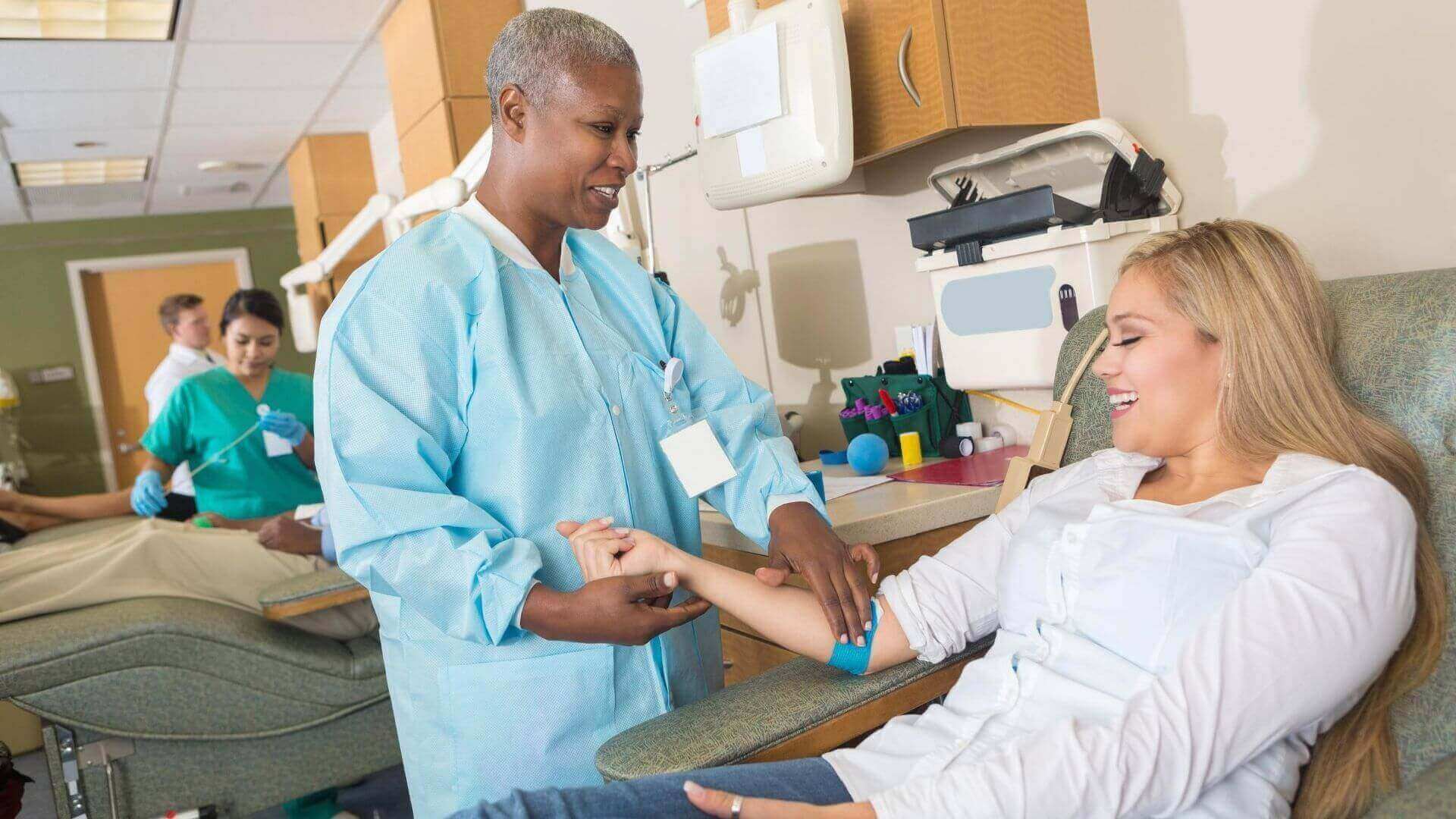
Phlebotomy Training
Ultimately, Phlebotomists are trained to work in laboratories, clinics, and other healthcare-related facilities. Generally, these persons receive supervision from nurses and medical doctors. While in some work environments, Phlebotomists maintain patient records and conduct clerical work. In either case, Phlebotomists often perform front- and back-office skills, and many go on to further their educations and become Medical Assistants. (Of note, this combination of skills is frequently used in small offices.)
Phlebotomy Certification
Overall, phlebotomy certification requires learning to use specific equipment such as vacuum tubes, syringes, and needles. Ultimately, all are used as practicing techniques for blood withdrawal. Still other duties include cleaning medical equipment, disposing of biomedical waste, and giving medications and immunizations.4
All in all, a Phlebotomist is in direct contact with patients. Hence, they should always learn to handle people tactfully and professionally.
Build Experiences
In the long run, Phlebotomists may want to build on their experiences to pursue other careers. Frequently, this means launching from their foundations to become Medical Assistants. Additionally, they may decide to become laboratory technicians, blood bank managers, or other healthcare roles. Depending on the scope and training one seeks, academic programs in phlebotomy can take 9–30 months to complete. However, some schools and academies offer the training in as little as 10–12 weeks, including internships and labs.
What’s a Licensed Vocational Nurse?—Diploma or Degree Program
Overall, Licensed Vocational Nurses (LVNs) primarily provide routine patient care. By and large, an LVN’s scope and duties range between states, even though the profession’s moniker is different. For example, some states use the term Licensed Practical Nurse (LPN), while others use the title Licensed Vocational Nurse.
Vocational Nurse Training
At the minimum, a Licensed Vocational Nurse has less schooling than a Registered Nurse (RN). Officially, a Registered Nurse has either a two-year Associate of Science Degree in Nursing or a four-year Bachelor of Science Degree in Nursing. By contrast, a Licensed Vocational Nurse has the minimum entry-level diploma in Vocational Nursing or, at the next level, an Associate of Science Degree in Vocational Nursing. Ultimately, to become an LVN, one must:
-
- First—Complete a Vocational Nursing program. Gurnick Academy of Medical Arts’ Diploma Program takes 13 months† to complete, while its Associate of Science in Vocational Nursing program takes eight (8) months to finish.‡
- Second—Obtain a Vocational Nurse Diploma or an A.S. in Vocational Nursing.
- Third—Sit for and pass the National Council Licensure Examination (NCLEX-PN).5
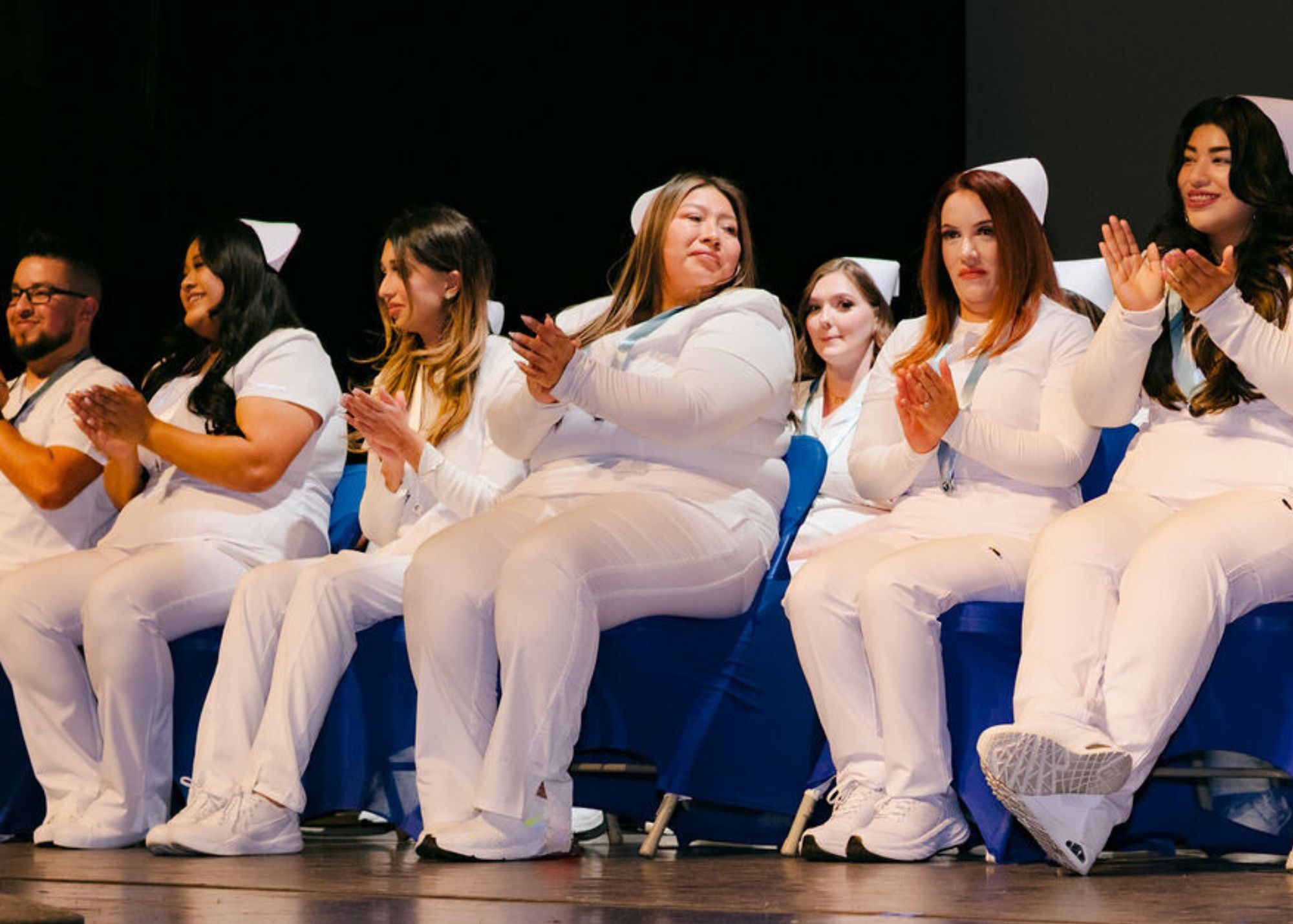
Licensed Vocational Nurse Work
Generally, Licensed Vocational Nurses work in hospitals, long-term care facilities, convalescent homes, doctor’s offices, or surgical centers. Overall, they provide essential core nursing services and primary patient care. However, some tasks overlap with those registered nurses perform.
LVN Specifics
Generally speaking, a Registered Nurse and a medical doctor can supervise a Licensed Vocational Nurse. Additionally, an LVN receives support from and may legally supervise a Certified Nursing Assistant (CNA), a nurses’ aide, an orderly, a patient-care technician, or a home health aide.
In some states, LVNs are not permitted to start intravenous lines (IVs). In other states, they may obtain IV certification. However, most LVNs are allowed to withdraw blood and administer injections. Overall, an LVN typically observes patients, does charting and reporting, and records vital signs. They also administer medications, provide and assist with care, and more.
What is a Certified Nursing Assistant?—Diploma
Working closely with patients, Certified Nursing Assistants (CNAs) are responsible for practical care items. Specifically, these include such items as bathing, grooming, and feeding. While the title and requirements for this vocation vary by state, it takes less education to become a Certified Nursing Assistant than it does to be a Licensed Vocational Nurse or Registered Nurse. Generally, to become a Certified Nursing Assistant, one must:
-
- One—Complete a state-approved educational program. This varies by state, yet programs are usually 4–12 weeks long.
- Two—Undergo on-the-job training.
- Three—Pass a competency exam. This varies by state.
- Four—Obtain state-issued licensure or certification. Licensure varies by state.1
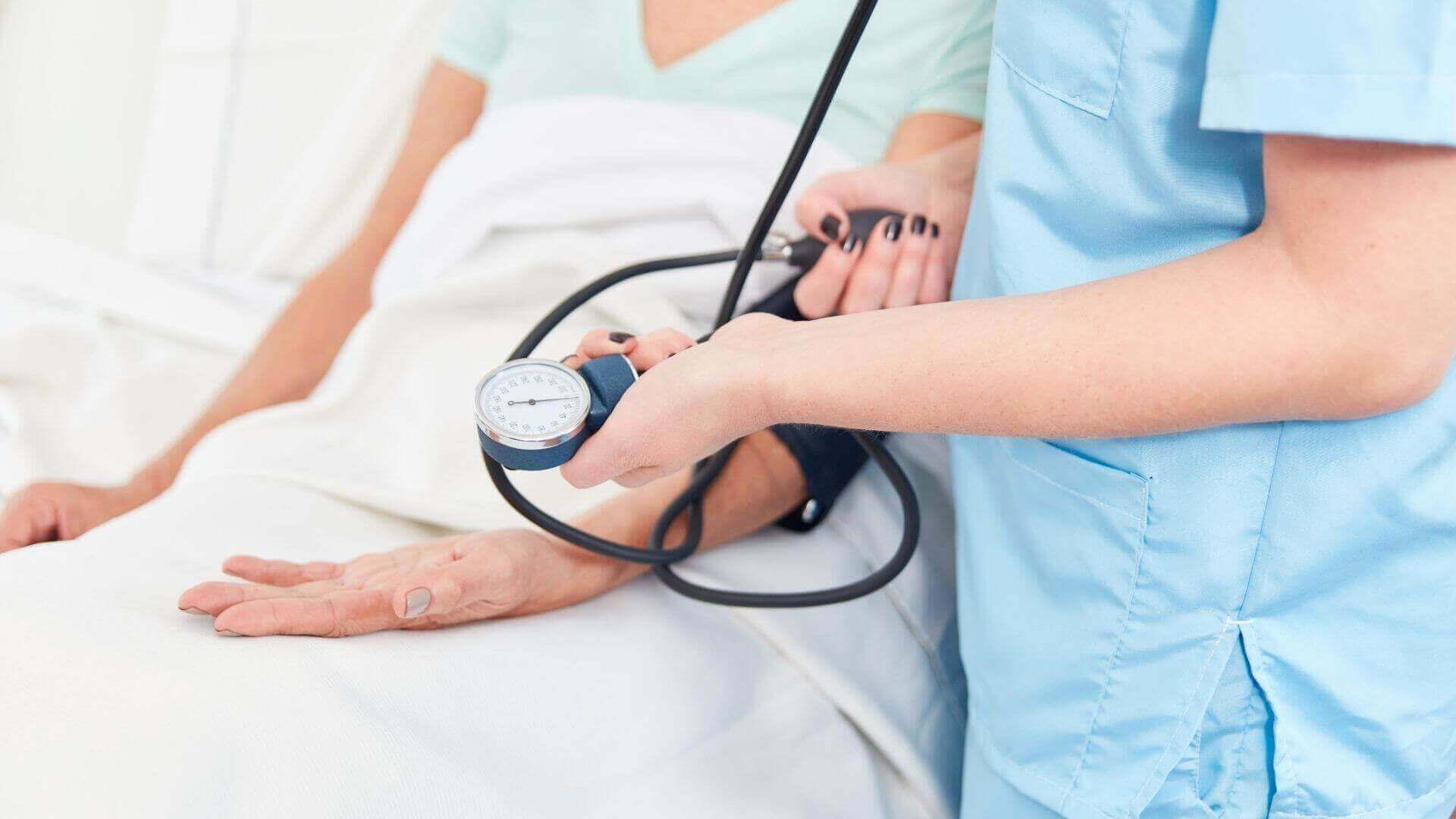
CNA Work
Often, these individuals work in hospitals, rehabilitation centers, or nursing homes. In brief, Certified Nursing Assistants receive supervision from Licensed Vocational Nurses, Registered Nurses, and medical doctors. Licensed Vocational Nurses, Registered Nurses, Nurse practitioners, and medical doctors can supervise Certified Nursing Assistants.
Generally speaking, Certified Nursing Assistants attend to practical tasks. For the most part, these include turning patients, answering patient calls, cleaning rooms, changing bed linens, and dressing wounds. All the while, they must communicate essential patient information to their respective teams. In summary, CNAs provide physical support to assist patients in specific routine living activities. Overall, these include such items as getting out of bed, bathing, dressing, using the toilet, standing, walking, or exercising.6
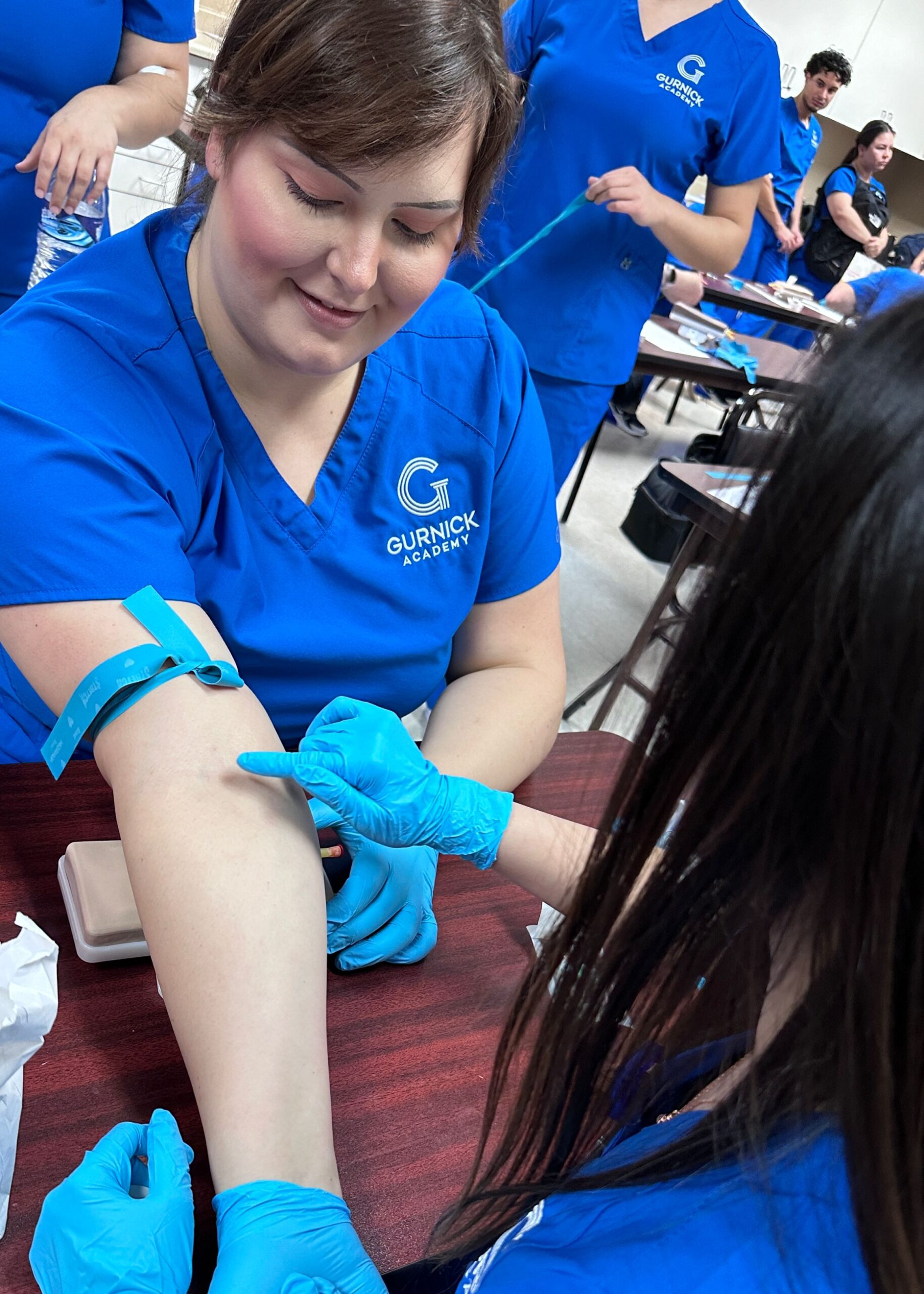
Summary
In summary, some Phlebotomists, Certified Nursing Assistants, and Licensed Vocational Nurses advance their educations and become Registered Nurses or Nurse Practioners. Adding to one’s skill set takes time, experience, effort, and dedication to the chosen profession. Many public and private schools offer bridge programs to advanced nursing degrees, which may allow one to save time when pursuing an advanced degree. Finally, whatever vocation one enters, one can know that all positions are valuable within one’s chosen healthcare community.~
*California currently only accepts national certificates from six agencies. These are the American Certification Agency, American Medical Technologists, American Society for Clinical Pathology, National Center for Competency Testing/Multi-skilled Medical Certification Institute, National Credentialing Agency, National Health Career Association, and the National Phlebotomy Certification Examination.7
†52 Approved Instructional Weeks
‡82 Approved Instructional Weeks include Technical Courses taken before enrolling in the 30 Weeks of General Education courses at Gurnick Academy of Medical Arts.
By Cindy R. Chamberlin.
Citations:
1^a, b “Nursing Assistants and Orderlies” Occupational Outlook Handbook: U.S. Bureau of Labor Statistics. September 4, 2019. (Accessed November 5, 2021.)
2 Decker, Fred. “How Hard Is It to Get a Phlebotomist Certification?” Work-Chron.com. July 1, 2018. (Accessed November 5, 2021.)
3^a, b, c, d “Which States Require Phlebotomy Certification|NPCE.” National Phlebotomy Credentialing Excellence, Inc. (Accessed November 5, 2021.)
4 “Phlebotomists.” O*NET Summary Report. October 26, 2021. (Accessed November 5, 2021.)
5 “Licensed Practical and Licensed Vocational Nurses.” Occupational Outlook Handbook. U.S. Bureau of Labor Statistics. September 8, 2021. (Accessed November 5, 2021.)
6 “Summary Report for Nursing Assistants. O*NET. 2021. (Accessed November 5, 2021.)
7 Contributors. “Phlebotomy.” Wikipedia. Wikimedia Foundation. December 25, 2019. (Accessed November 8, 2021.)