



- Concord Campus - (925) 687-9555
- Fresno Campus - (559) 222-1903
- Modesto Campus - (209) 521-1821
- Sacramento Campus - (916) 588-2060
- San Jose Campus - (408) 384-7050
- Van Nuys Campus - (747) 200-4567
Degree Programs
Program Description
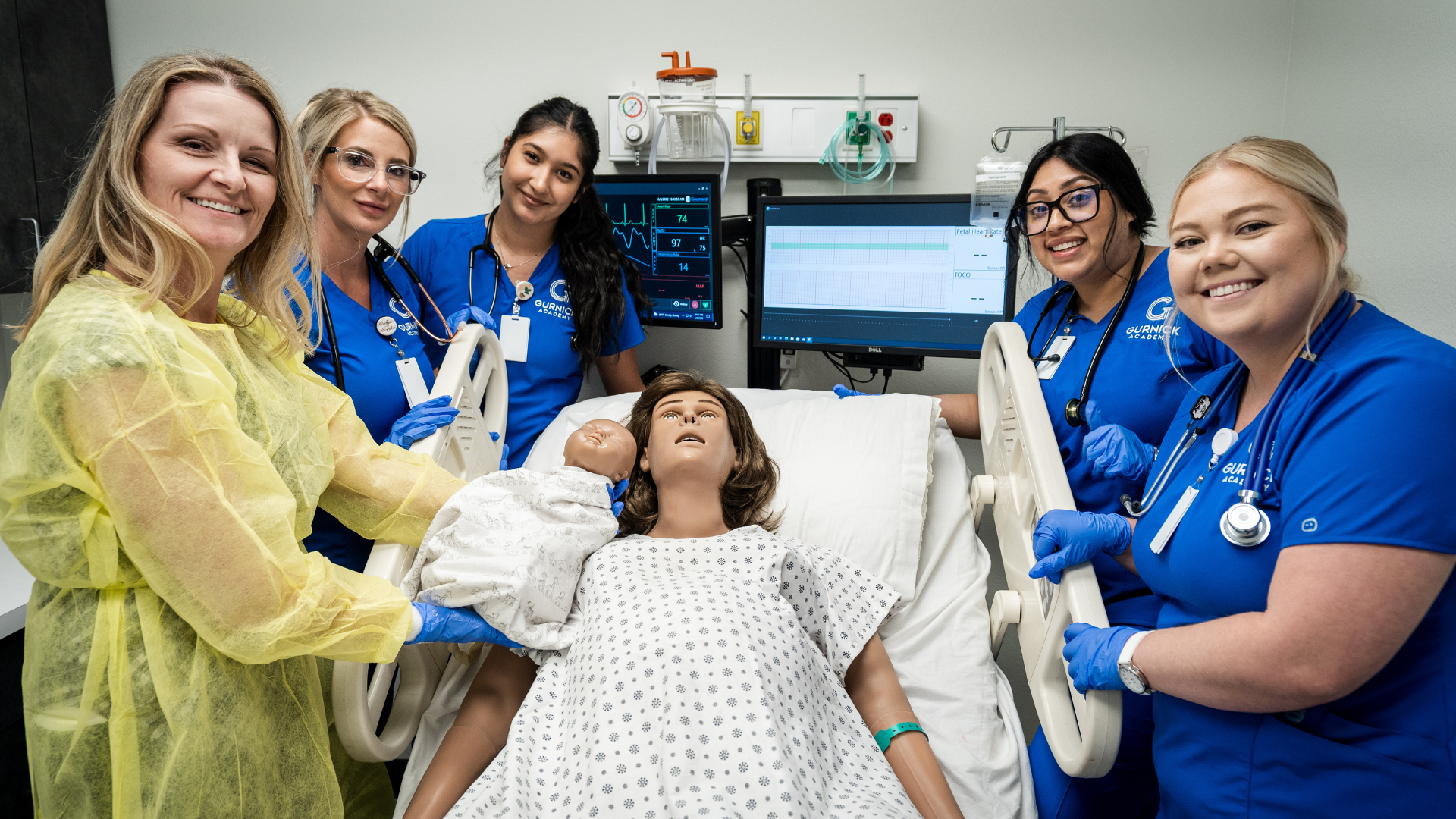
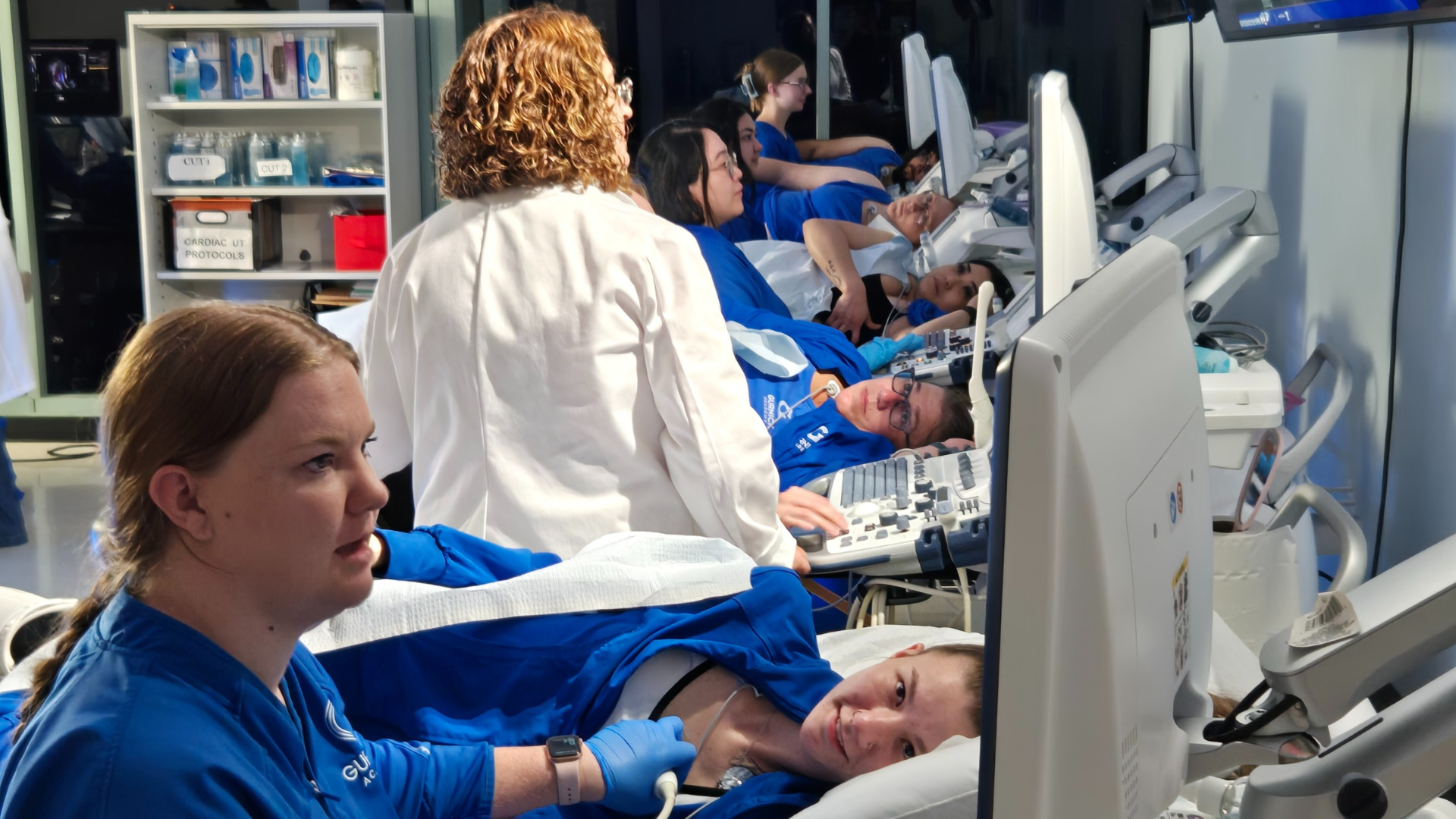
The Cardiac Ultrasound Technology program’s minimum expectations are to prepare competent entry-level cardiac sonographers in the cognitive (knowledge), psychomotor (skills), and affective (behavior) domains of learning. Graduates will be qualified to work in hospitals, imaging centers, physicians’ offices, or clinics.
Locations
Program Description
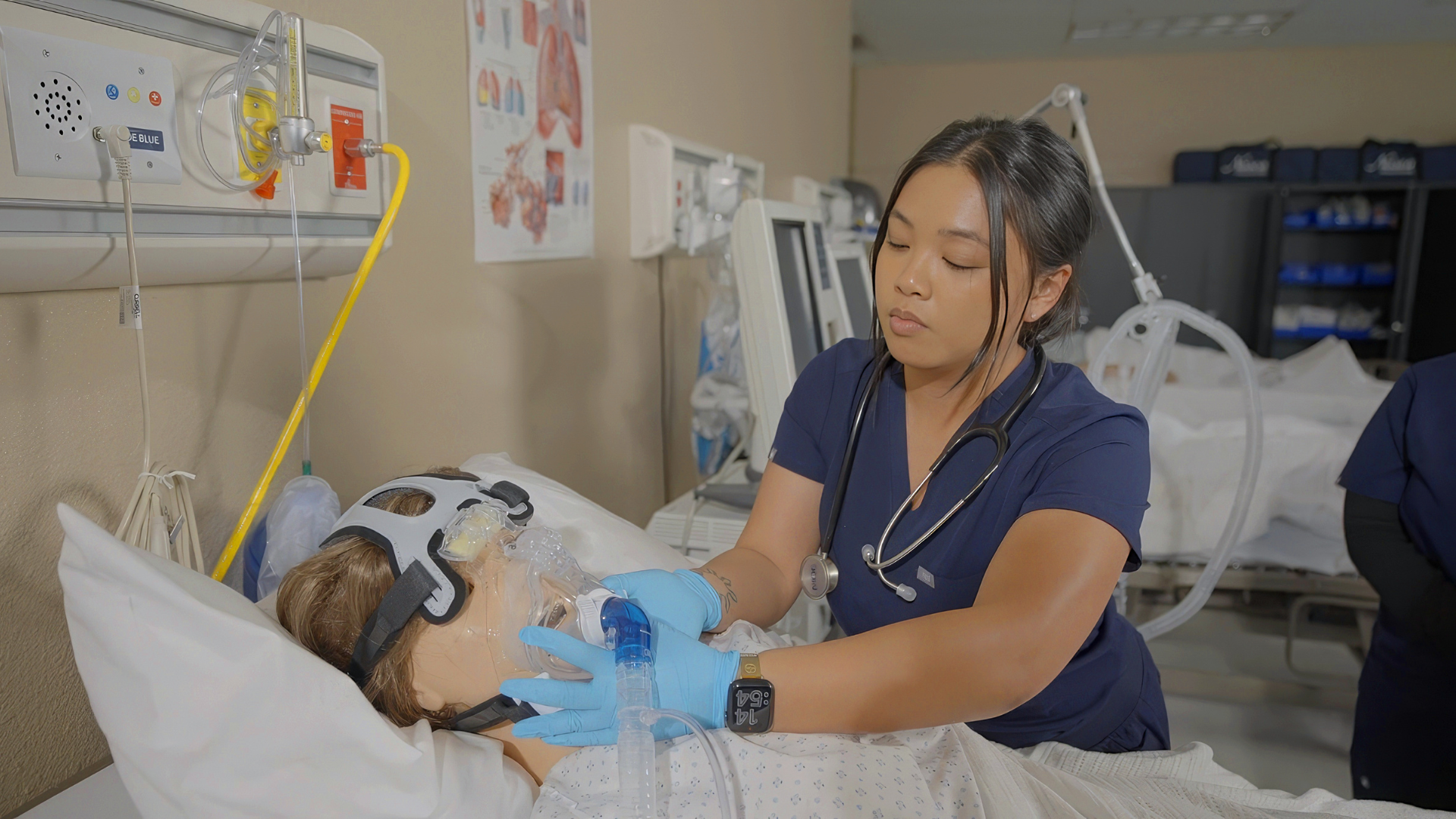
The A.O.S. in Respiratory Therapy degree program is designed to prepare graduates for entry-level employment in the field or in related fields.
The goal of this program is to prepare graduates with demonstrated competence in the cognitive (knowledge), psychomotor (skills), and affective (behavior) learning domains of respiratory therapy practice as performed by registered respiratory therapists (RRTs).
Locations
Program Description
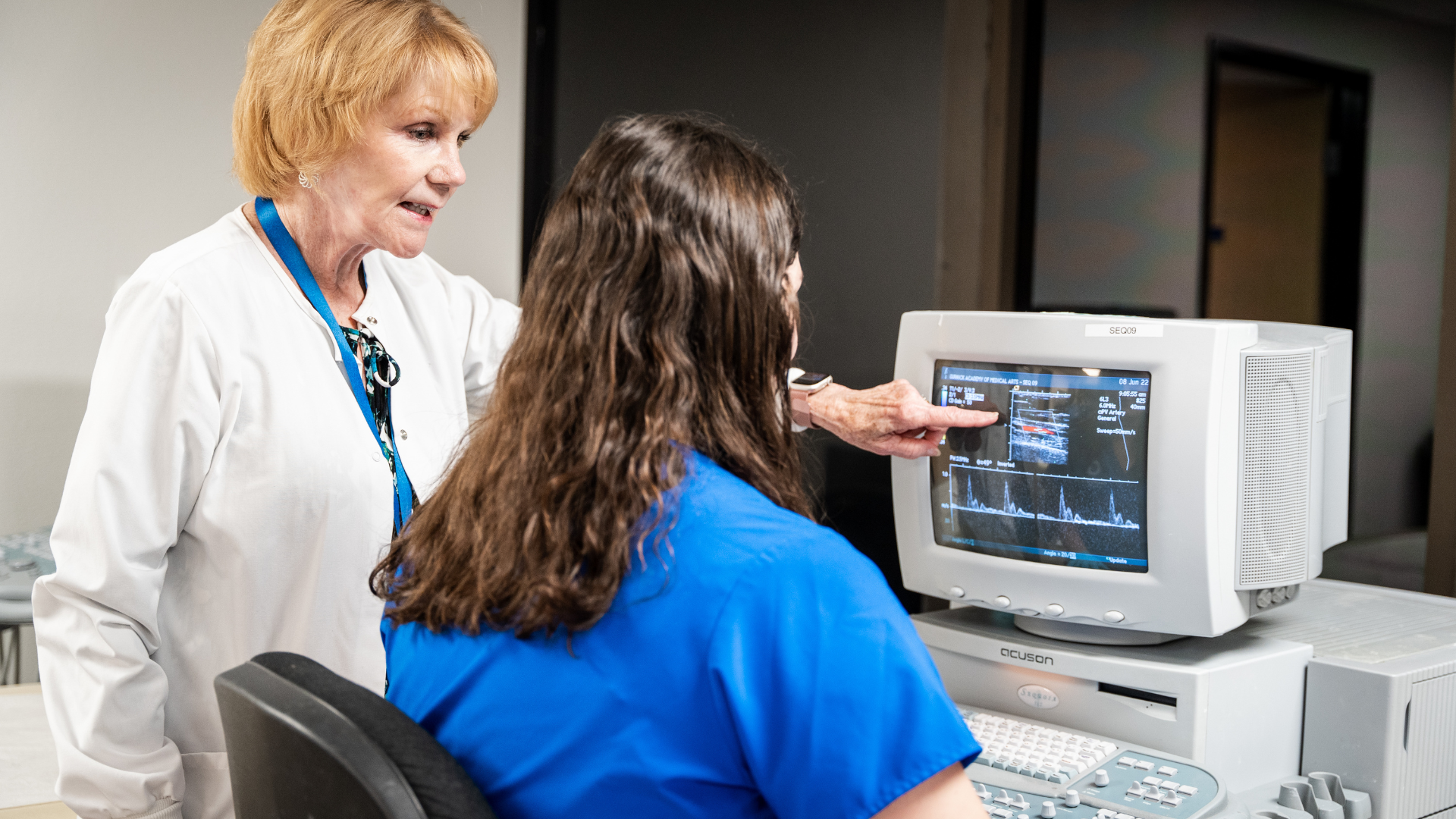
The A.O.S. in Ultrasound Technology program’s minimum expectations are to prepare competent entry-level general/vascular sonographers in the cognitive (knowledge), psychomotor (skills), and affective (behavior) domains of learning.
Graduates will be qualified to work in hospitals, imaging centers, physicians’ offices, or clinics.
Locations
Program Description
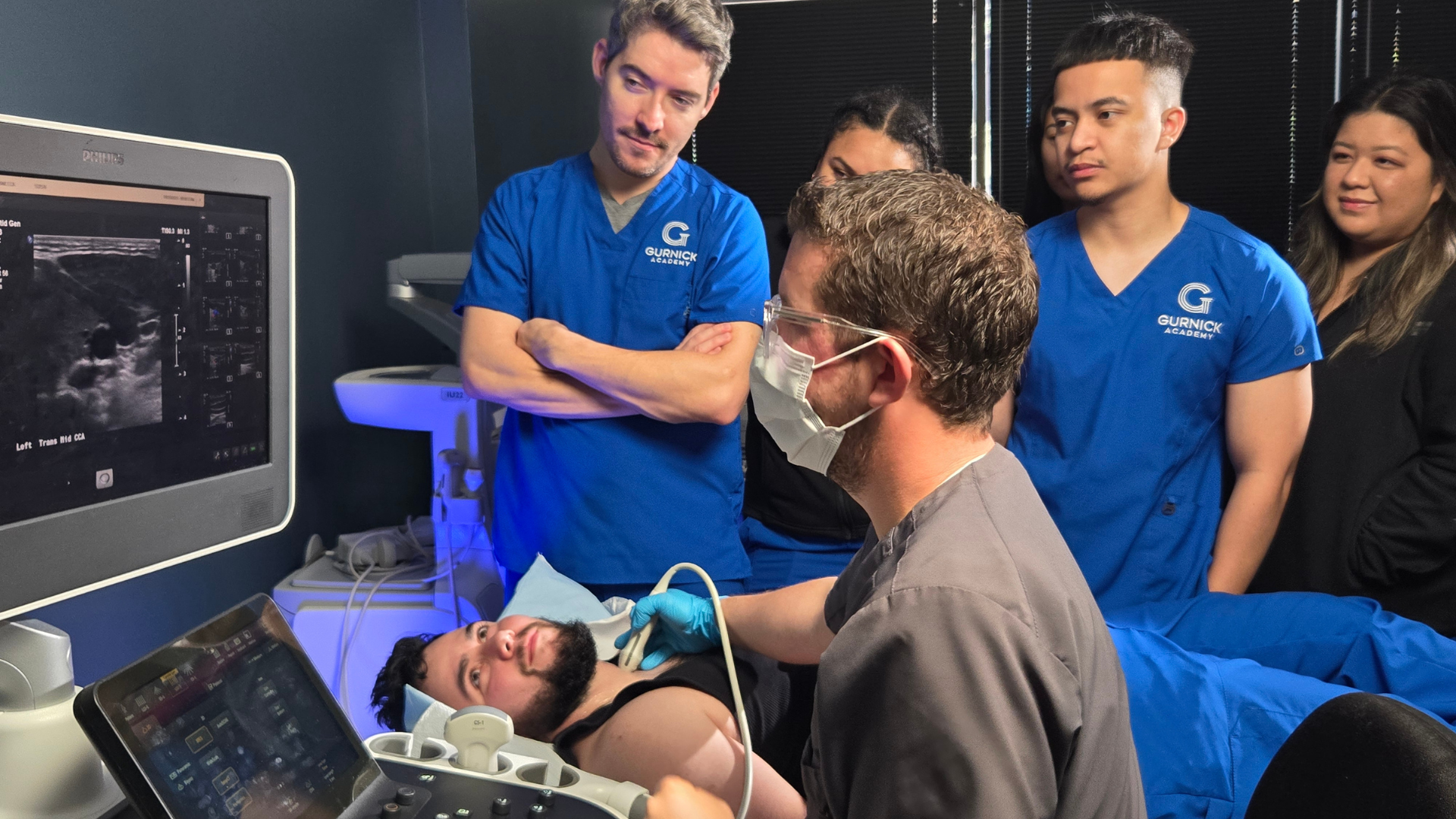
The Vascular Ultrasound Technology program’s minimum expectations are to prepare competent entry-level vascular sonographers in the cognitive (knowledge), psychomotor (skills), and affective (behavior) domains of learning. Graduates will be qualified to work in hospitals, imaging centers, physicians’ offices, or clinics.
Locations
Program Description
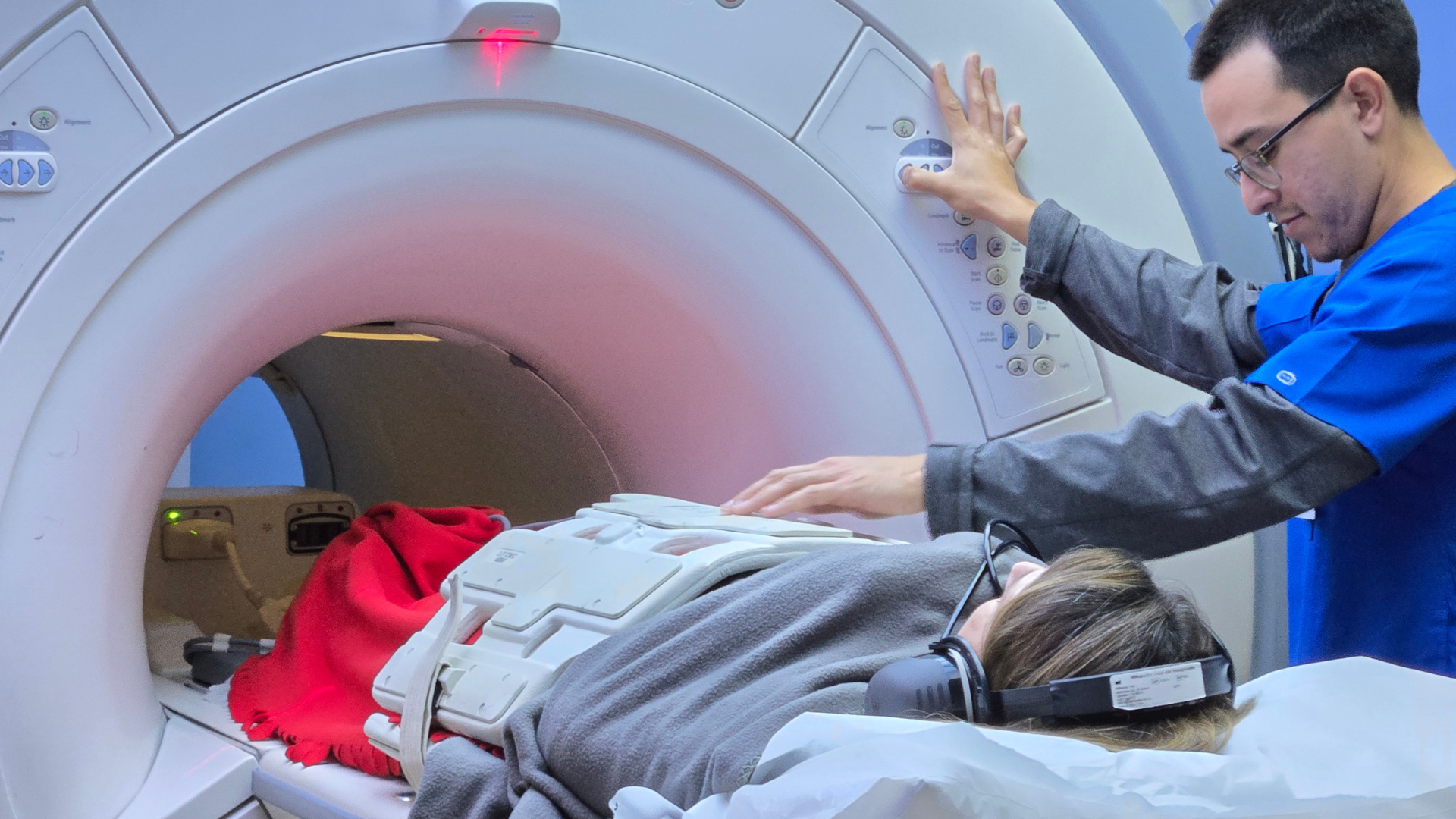
Magnetic Resonance Imaging (MRI) Technologists are valued members of today’s healthcare team. They utilize specialized MRI equipment to create images of internal body structures, among other vital tasks.
The MRI degree program encompasses classwork, laboratory training, and clinical experiences that complement theoretical education. Students are rotated throughout our affiliated medical facilities while attending our MRI technician school.
Locations
Program Description
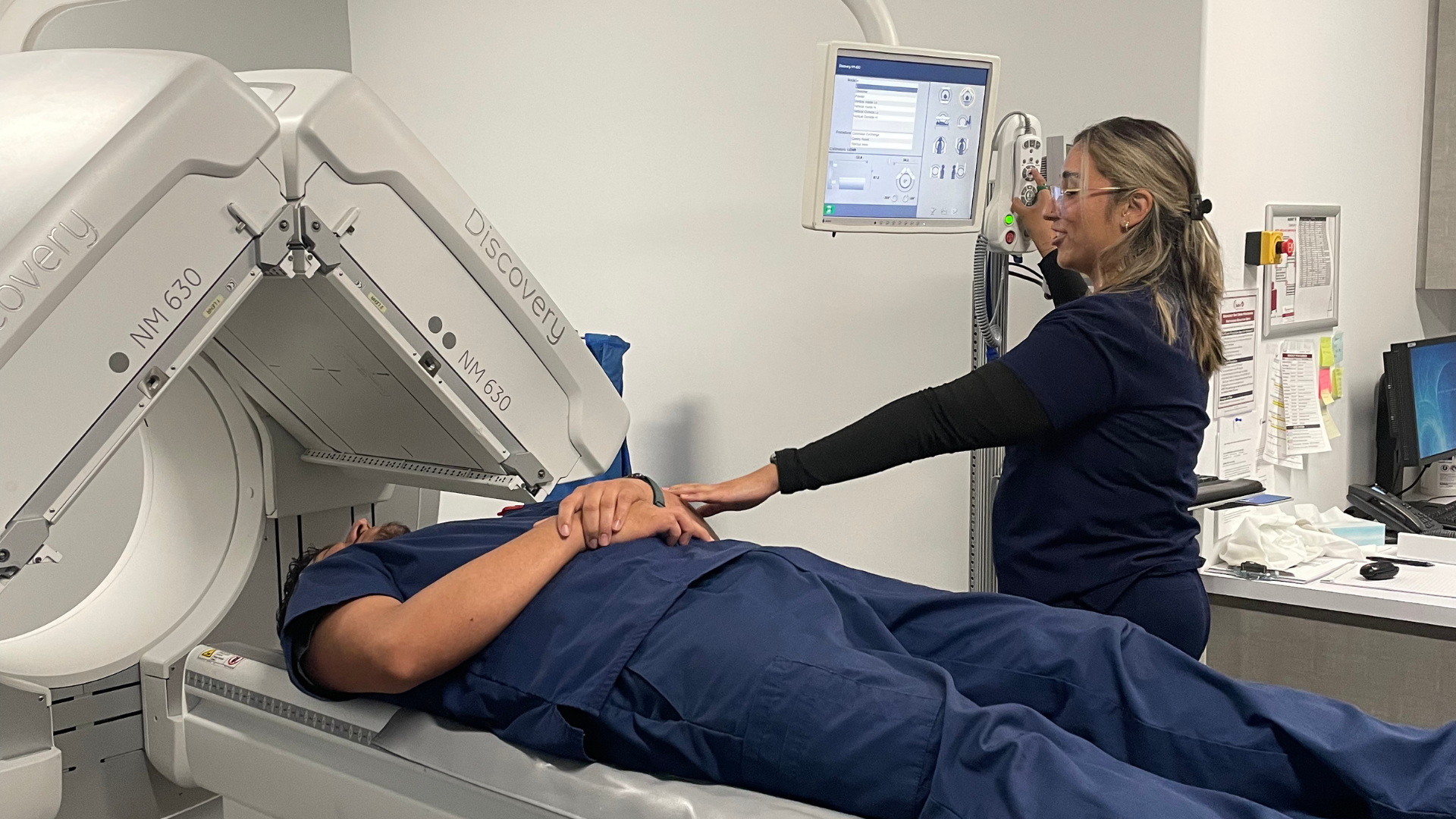
The Associate of Science in Nuclear Medicine Technology program is a 24-month program that prepares students with essential general education classes, a core nuclear medicine curriculum, and real-life experience at clinical sites.
The program begins with basic nuclear medicine principles and builds on that knowledge to prepare students to pass the national credentialing exam.
The curriculum includes diagnostic and therapeutic nuclear medicine procedures, radiopharmaceutical preparation and administration, and quality control procedures for imaging equipment.
The program also includes courses on emerging hybrid imaging technologies, including positron emission tomography (PET), computed tomography (CT), and magnetic resonance imaging (MRI). The program includes online classwork, live online lectures, and clinical experiences.
Locations
Program Description
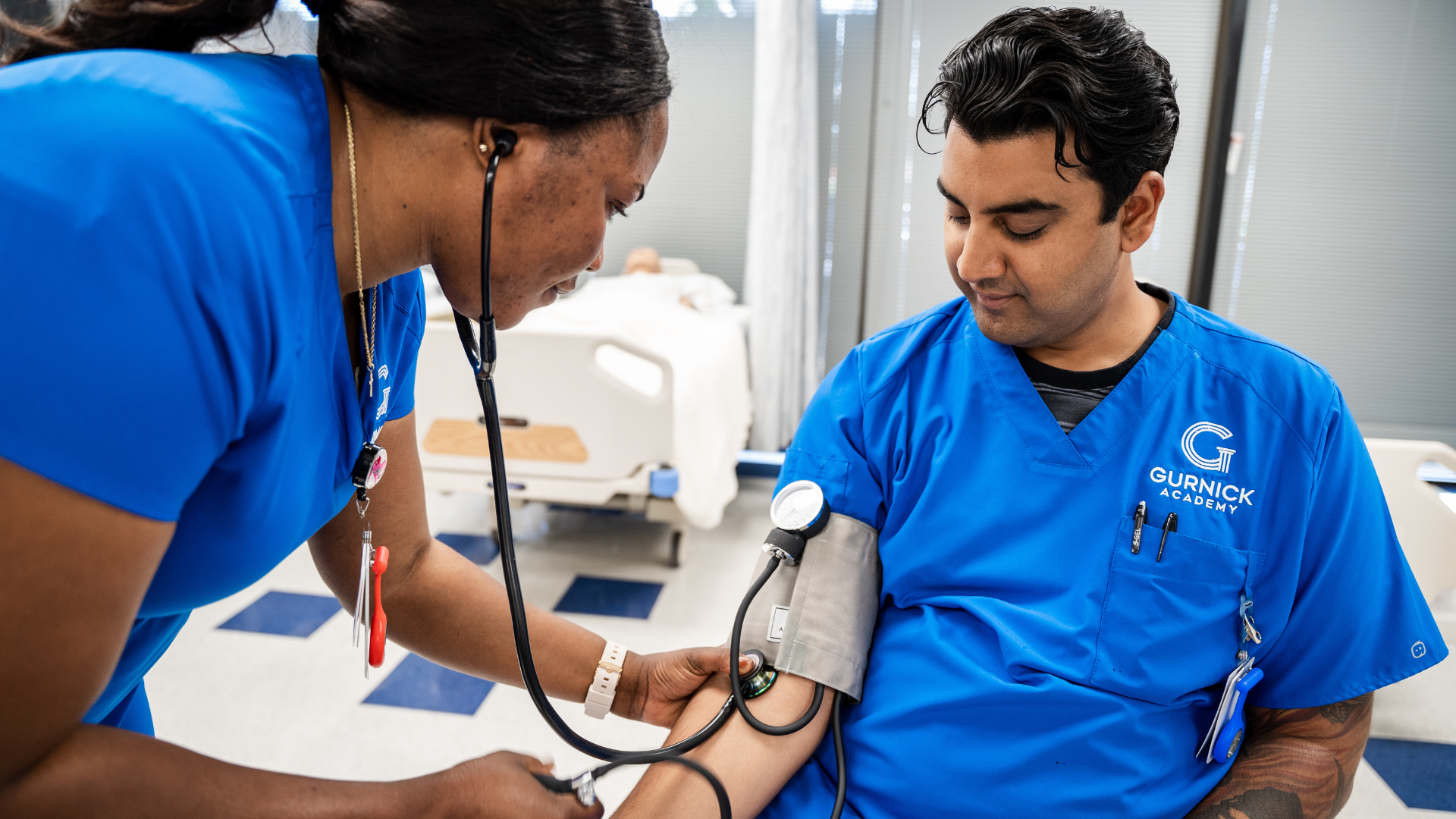
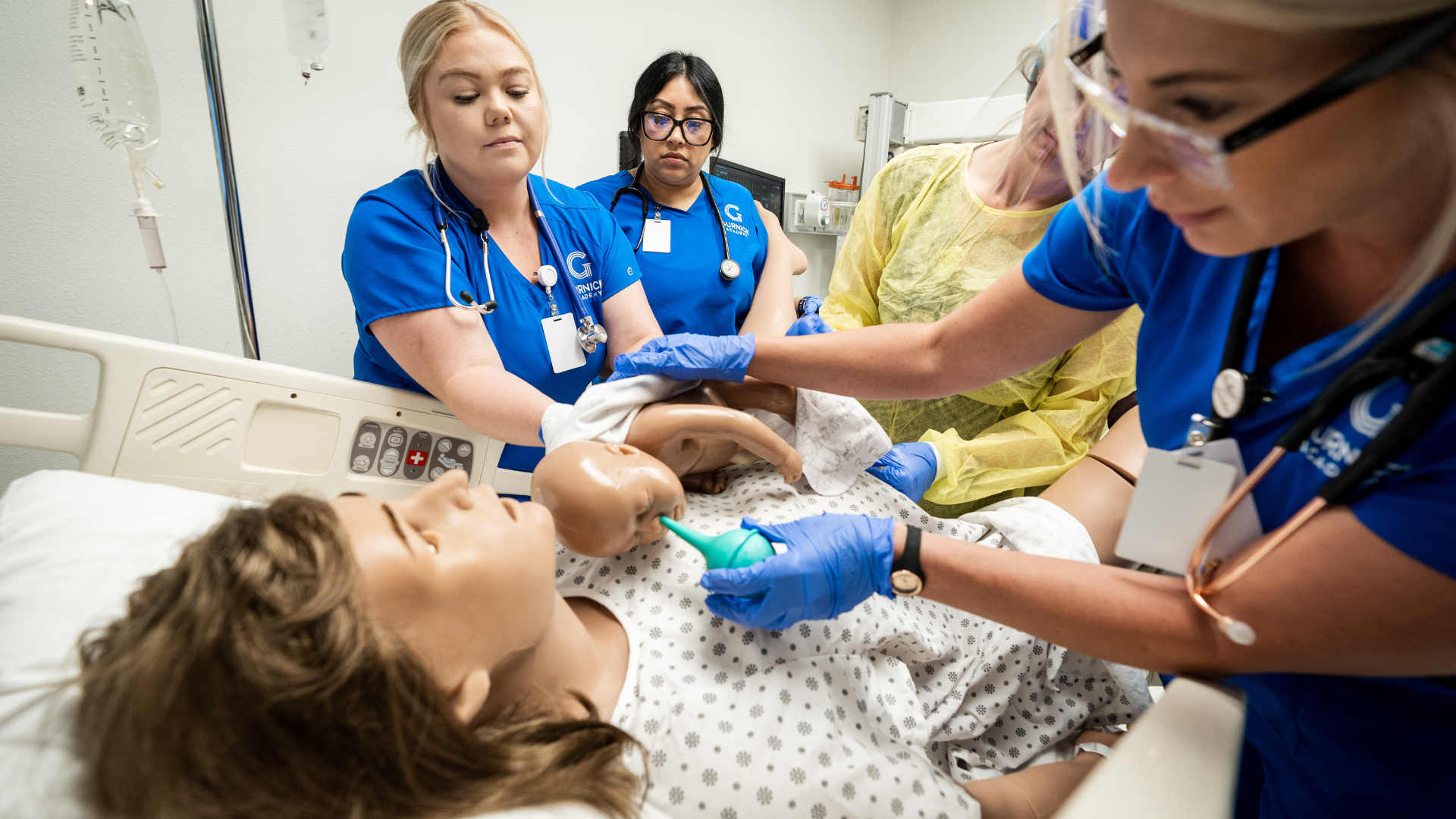
Registered Nurses are vital to the healthcare team as they provide and coordinate patient care. RNs assess patients, administer medications and treatments, consult with doctors, and educate patients on managing illnesses or injuries.
The A.S. in Nursing program (ADN) is a six-semester program for non-nursing applicants.
Locations
Program Description
Registered Nurses are vital to the healthcare team as they provide and coordinate patient care. RNs assess patients, administer medications and treatments, consult with doctors, and educate patients on managing illnesses or injuries.
The A.S. in Nursing program (LVN to RN) is designed for individuals with an LVN license who have completed the required general education courses. LVN to RN applicants can complete the program in two semesters and a three (3) week LVN to RN transition course.
Locations
Program Description
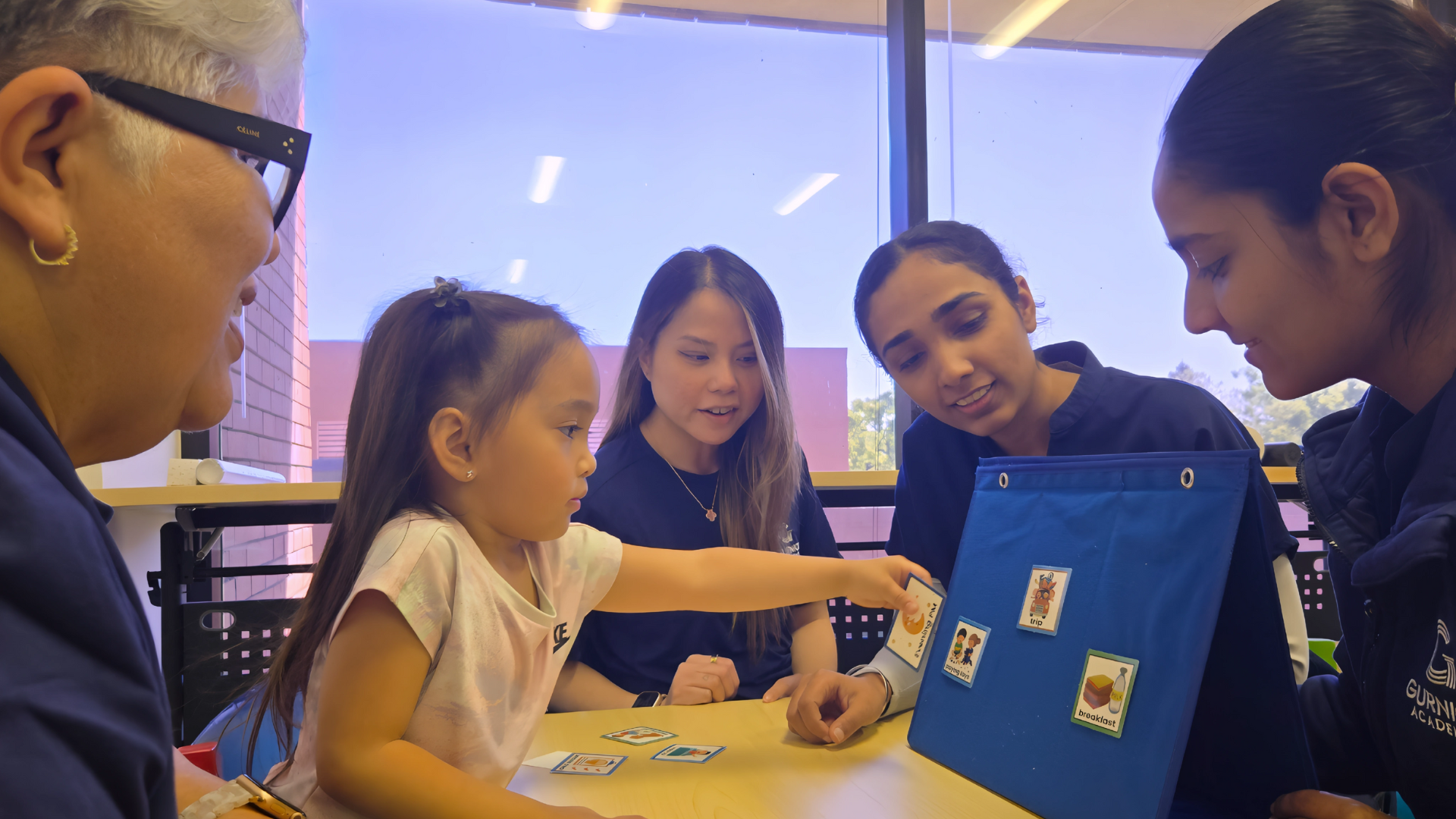
The A.S. in Occupational Therapy Assistant program uses meaningful and purposeful activities and occupations to promote health, independence, learning, and well-being across the lifespan with people of all ages, from newborns to older adults.
Under the supervision of a licensed occupational therapist (OT), the occupational therapy assistant (OTA) works directly with individuals, families, groups, and communities to facilitate health, well-being, and learning through engagement in meaningful activities and occupations, thereby promoting overall health and wellness.
In addition to direct patient care, occupational therapy assistants address the factors that affect the delivery of health services and the disparities that contribute to occupational deprivation.
Locations
Program Description
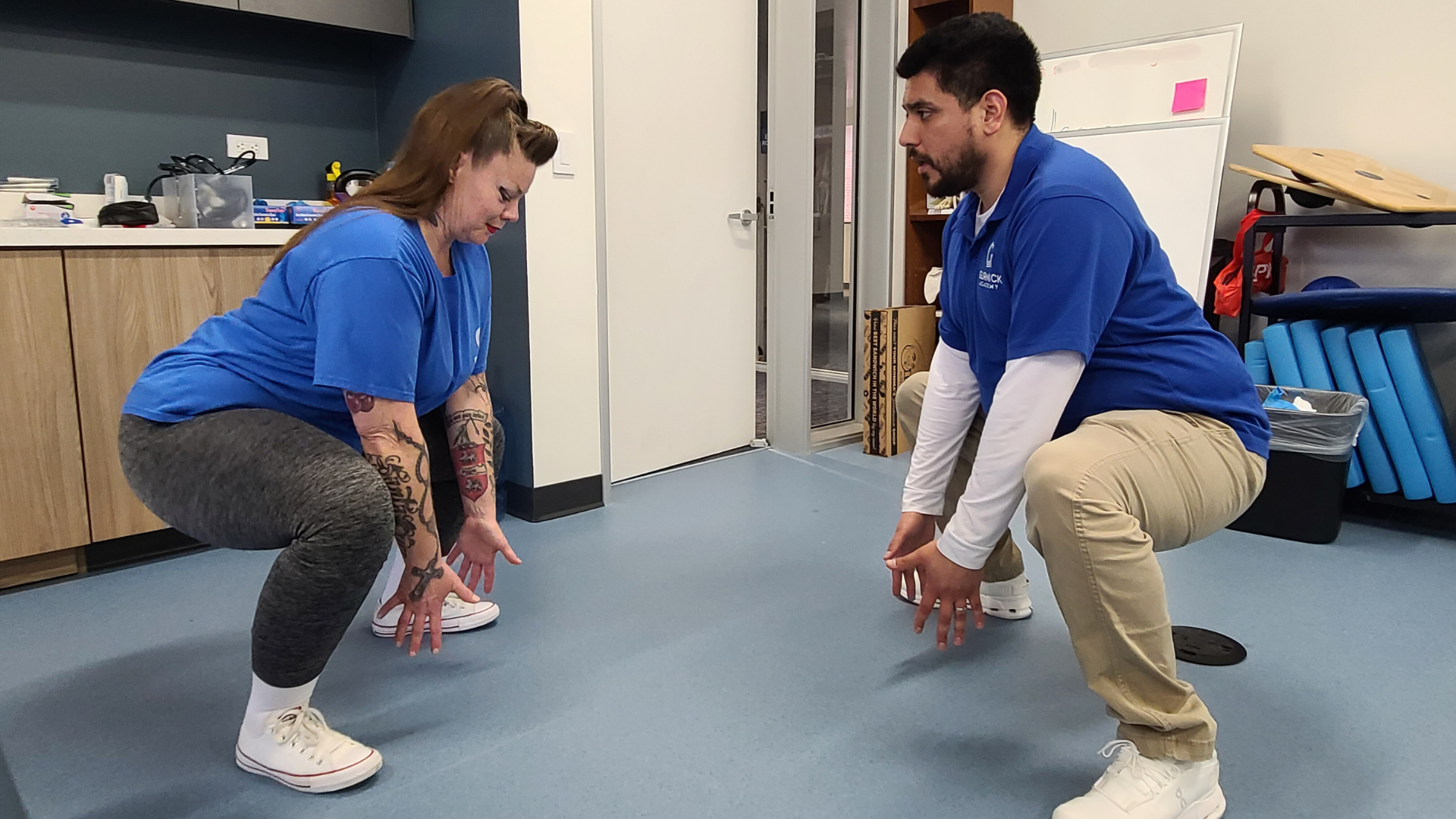
Physical Therapist Assistants provide physical therapy services under the supervision of a physical therapist. They observe patients, teach them specific exercises, and treat them with a massage or stretching.
The A.S. in Physical Therapist Assistant program combines classroom instruction, laboratory training, and clinical experiences that complement theoretical education. The technical courses incorporate the minimum skills of physical therapist assistant graduates at the entry level and the ethical conduct standards for the PTA developed by the American Physical Therapy Association (APTA).
Locations
Program Description
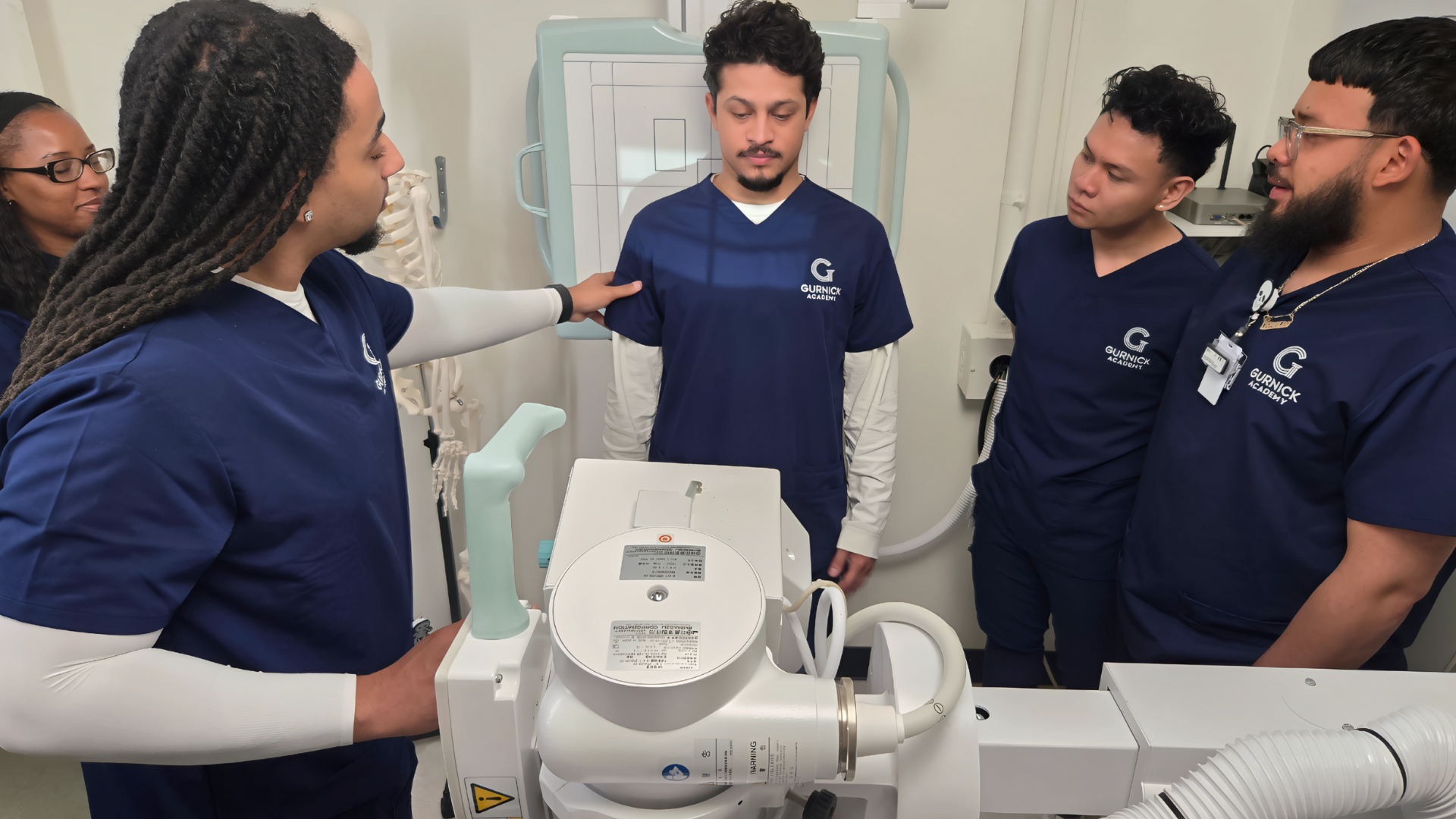
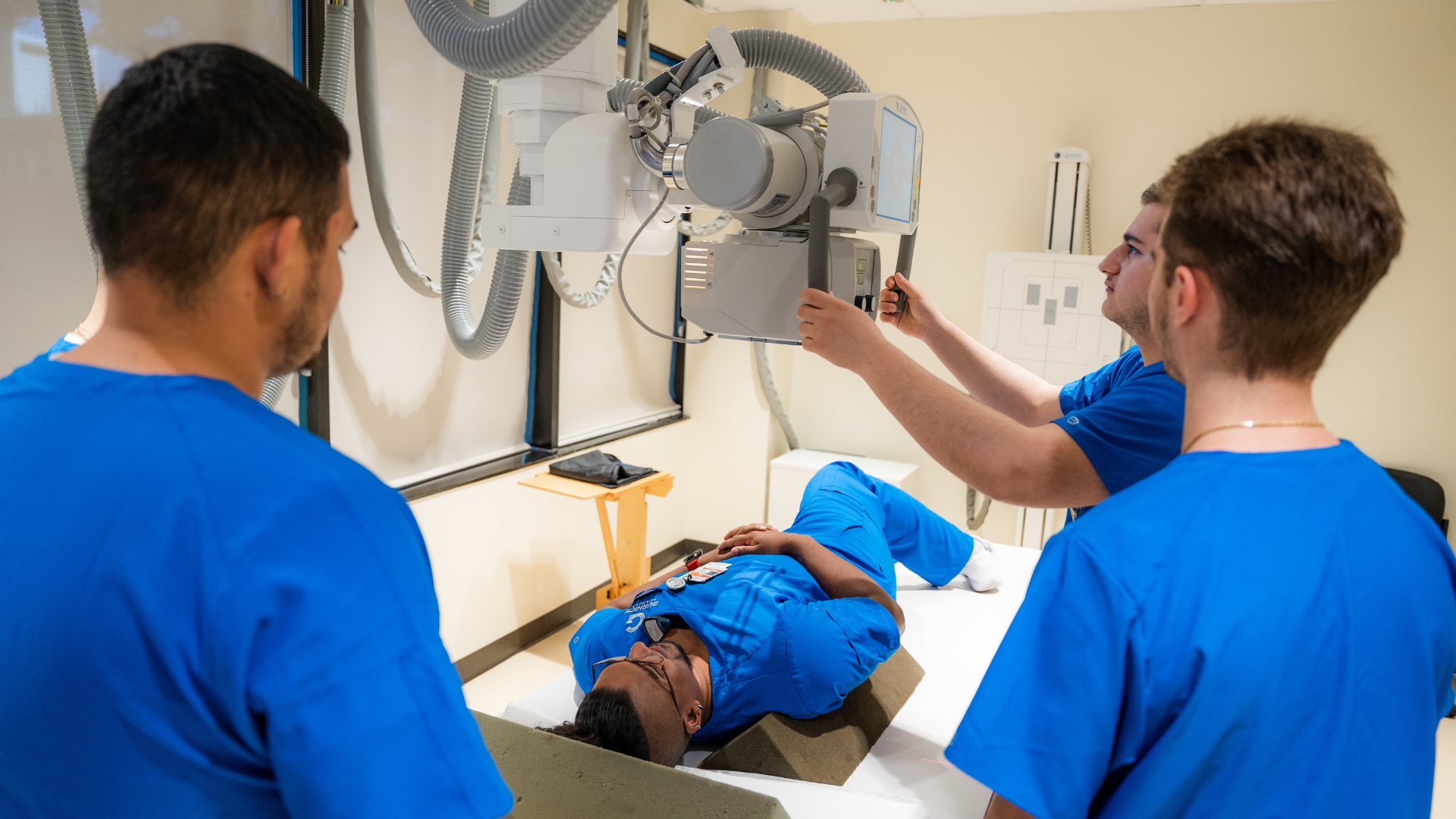
Radiologic Technologists, also known as radiographers, work closely with radiologists to perform diagnostic imaging exams. Radiographers adjust and maintain equipment, prepare patients for procedures, take patient medical histories, and operate computerized equipment to capture images, among other tasks.
The A.S. in Radiologic Technology (Track A) program combines classroom instruction, laboratory training, and clinical experiences that complement theoretical education.
Gurnick Academy of Medical Arts considers clinical experience a critical part of medical education. Accordingly, students are rotated throughout our affiliated medical facilities while attending our radiology technology school.
Locations
Program Description
The Associate of Occupational Science in Radiologic Technology program’s mission is to prepare students for employment as certified radiologic technologists.
To this end, the program emphasizes the knowledge, skills, and entry-level competencies appropriate for examinations required by the State of California Department of Public Health, Radiologic Health Branch (CDPH-RHB).
Duties for this program’s graduates may include diagnostic imaging procedures in hospital diagnostic imaging departments, surgical theaters, emergency rooms, doctors’ offices, and other healthcare settings using fixed or portable machines.
Locations

Program Description
Vocational nurses provide primary medical care under the direction of registered nurses and doctors. They monitor patients’ health, discuss care with patients, keep records, and administer primary care, including changing bandages and inserting catheters.
The Associate of Science in Vocational Nursing program is a two-semester program for graduates of an approved Vocational Nursing or Practical Nursing program who wish to obtain an Associate of Science Degree.
This program builds on the Vocational Nursing Diploma program by incorporating the same general education courses as our Associate of Science in Nursing (ADN) Program.
Locations
Program Description
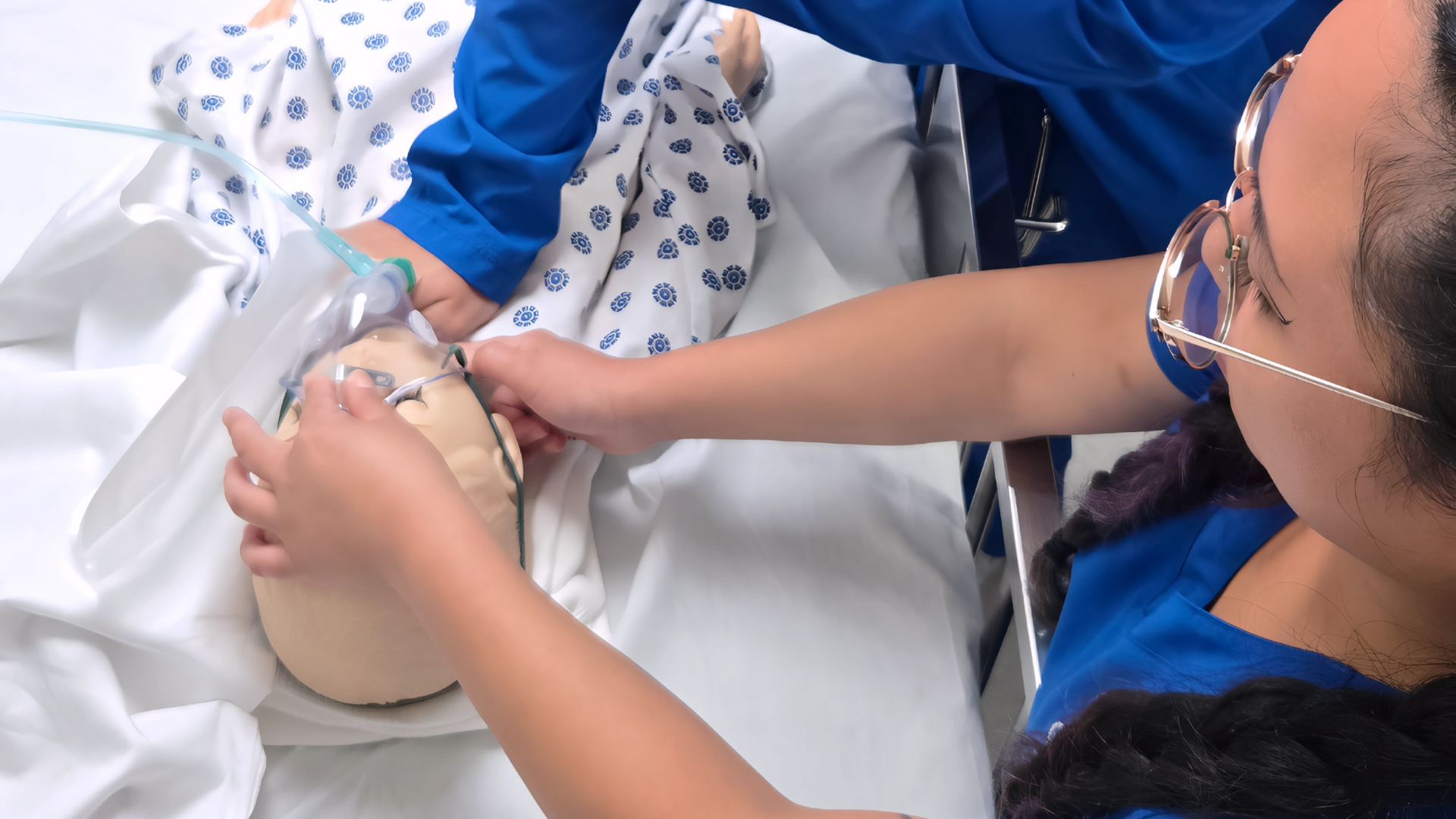
B.S. in Nursing (BSN) program students will study a wide range of curricular content required for licensure by the California Board of Registered Nursing.
To develop an advanced skill base in demand by employers, students will also study the organization and function of health services, ethics and law in health care, writing skills for health professionals, leadership and management, nursing research, and patient education essentials.
Emphasis will be placed on evidence-based practice and critical thinking skills to provide safe and effective care to patients from diverse and multicultural populations and communities across the lifespan.
Students will also take Community Health Nursing, which includes certification in reporting child abuse and disaster management, in accordance with the California Public Health Code of Regulations.
Locations
Program Description
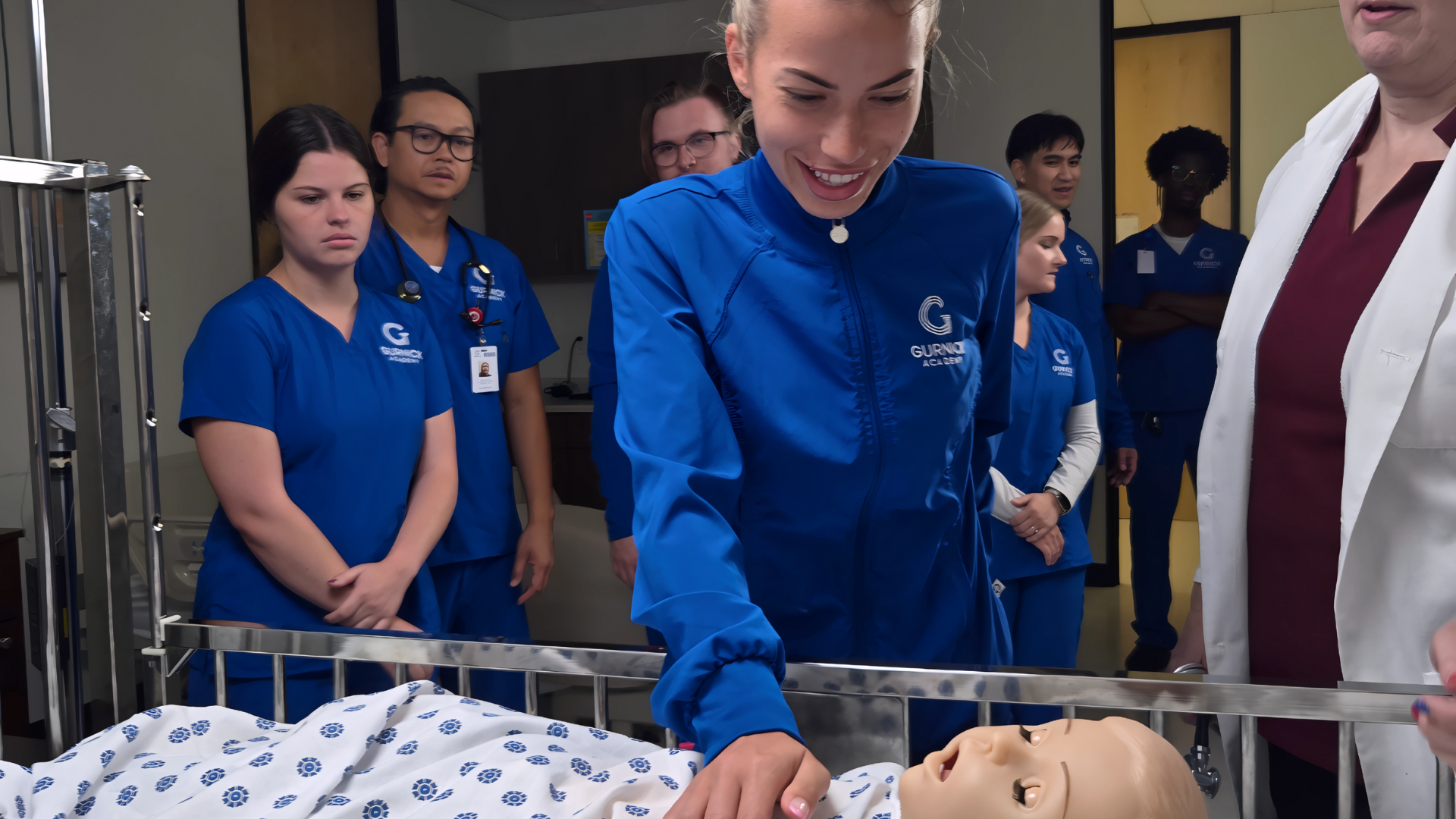
B.S. in Nursing (LVN to BSN) program students will study a wide range of curricular content required for licensure by the California Board of Registered Nursing.
To develop an advanced skill base in demand by employers, students will also study the organization and function of health services, ethics and law in health care, writing skills for health professionals, leadership and management, nursing research, and patient education essentials.
Emphasis will be placed on evidence-based practice and critical thinking skills to provide safe and effective care to patients from diverse and multicultural populations and communities across the lifespan.
Students will also take Community Health Nursing, which includes certification in reporting child abuse and disaster management, in accordance with the California Public Health Code of Regulations.
Locations
Program Description
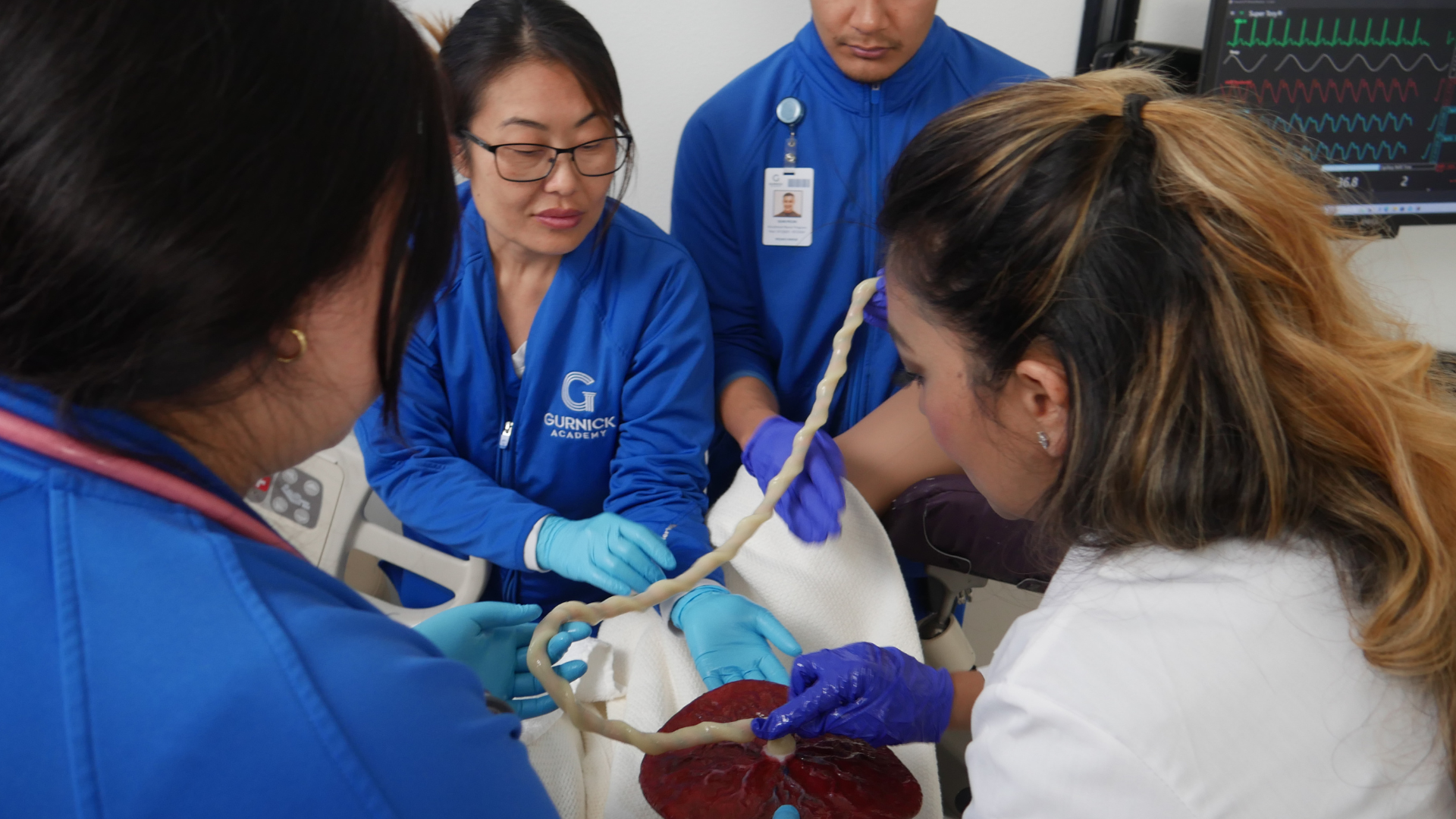
B.S. in Nursing (RN to BSN) program students will study a wide range of curricular content required for licensure by the California Board of Registered Nursing (BRN).
Emphasis will be placed on evidence-based practice and critical thinking skills to provide safe and effective care to patients from diverse and multicultural populations and communities across the lifespan.
Students will also take Community Health Nursing, which includes certification in reporting child abuse and disaster management, in accordance with the California Public Health Code of Regulations.
Locations
Program Description
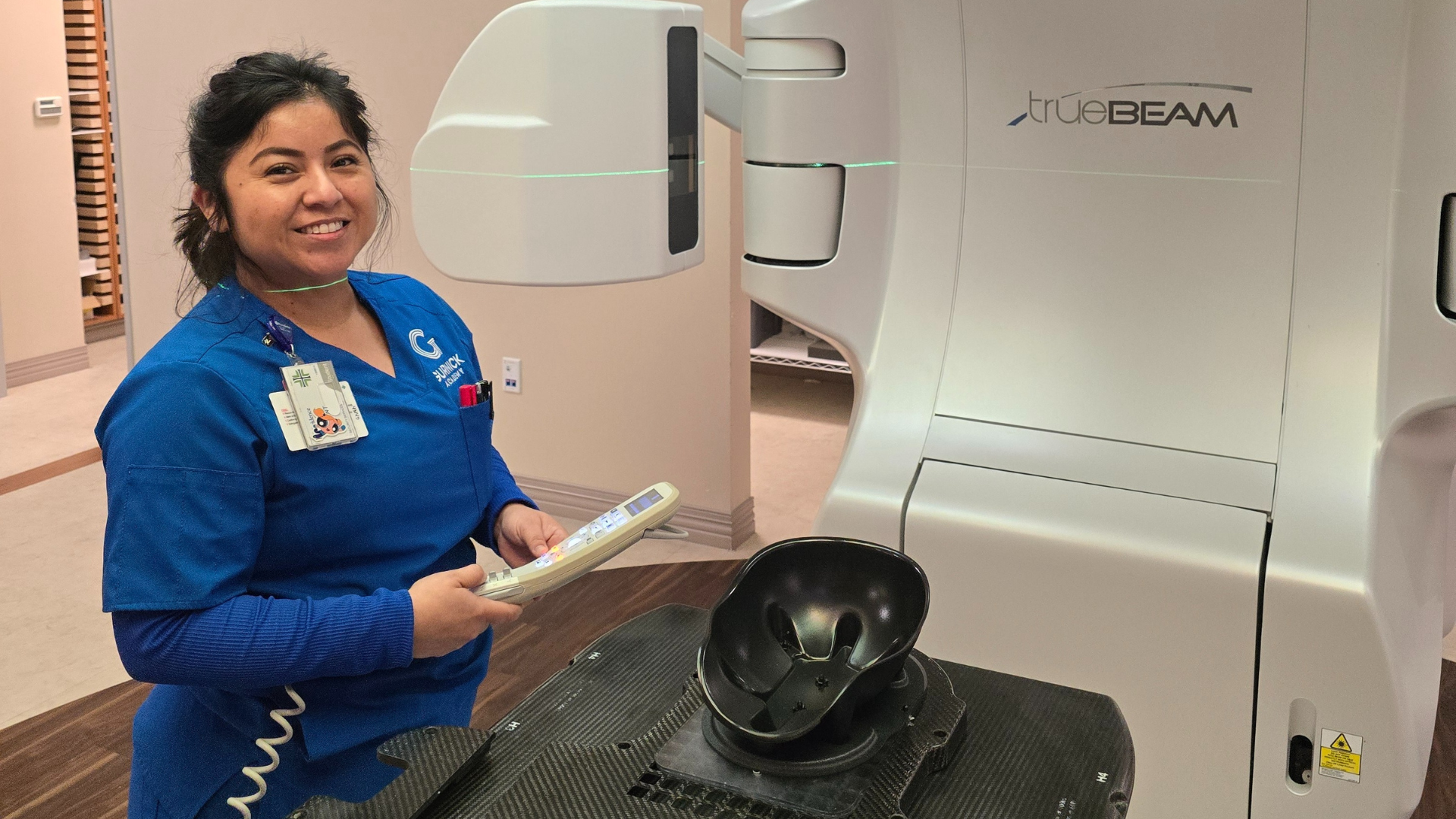
This full-time, lock-step program provides students with a combination of didactic and clinical learning experiences that prepare them to be vital members of the healthcare team.
The B.S. in Radiation Therapy program features online coursework, live online lectures, and clinical experiences that contribute to student learning. Beginning with general education courses, students will build upon their knowledge as they progress through the program into core radiation therapy coursework.
Locations
Program Description
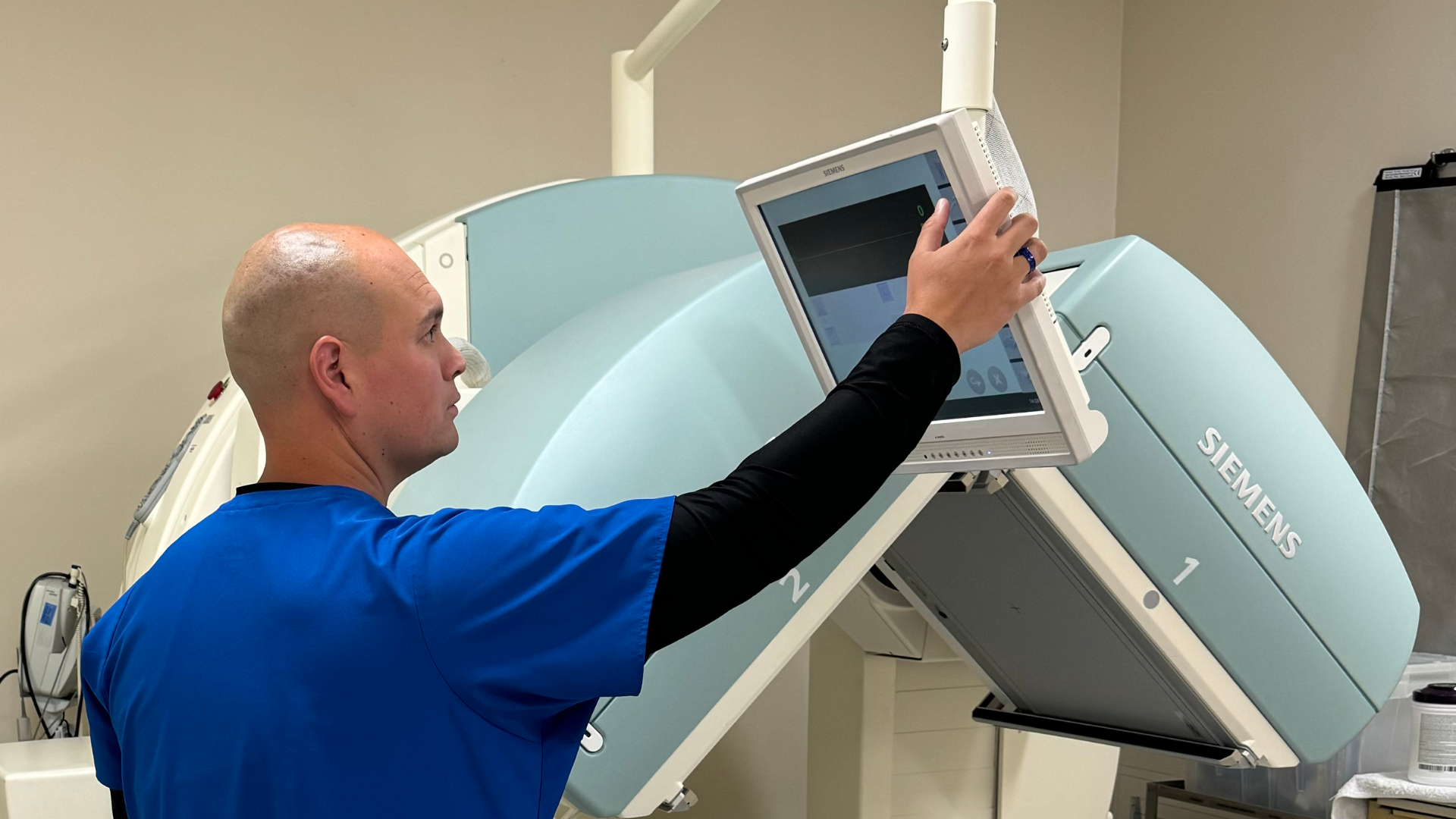
The Bachelor of Science in Radiologic Sciences program provides the certified imaging profession with the foundational skills necessary to advance.
Enhanced marketability is essential for acquiring a Bachelor’s Degree in Radiologic Sciences. A Bachelor’s degree makes it possible to advance in radiology, business, IT, and public health.
The B.S. in RS degree is available entirely through distance education. This program offers advancement for technologists who cannot attend a traditional college.
Locations
Program Description
The Master of Science in Nursing (BSN to MSN) program is designed to prepare students at an advanced level, emphasizing nursing scholarship. Students will study healthcare policy, advanced research, healthcare informatics, leadership and management, financial resource management, curriculum development, teaching and learning process, assessment and evaluation of learning, and practicum capstone courses.
Emphasis will be placed on evidence-based practice, professional development, and scholarly practice, preparing nursing professionals with advanced theoretical skills and applied research methods.
Locations
If you are a person who is deaf, hard of hearing, or speech-disabled, please Dial 711 to place a call through California Relay.